The latest official figures
Nepal's Ministry of Foreign Affairs said 13,583 people had been rescued by its 8 September situation update on the Bhote Koshi floods. Around 5,300 people remained missing, including approximately 600 foreign nationals from 35 countries, and 1,357 bodies had been recovered from flood-affected areas.
These are not final totals. The ministry says the figures are continually updated as search and verification continue. The number described as missing is approximate, and the number of bodies recovered is not the same as a completed list of identified victims.
The update followed one published on 7 September that listed 13,396 rescued, around 5,000 missing and 1,355 bodies recovered. On the face of the two reports, the rescue total increased by 187 and the recovered-body count by two. The missing estimate also rose by about 300.
A higher missing estimate does not necessarily mean 300 people newly disappeared between updates. In a disaster covering damaged settlements, work sites and foreign visitors, registrations can be added, duplicated records removed and identities reconciled as access and communications improve. The ministry does not provide a line-by-line reconciliation, so the safest description is that the official estimate was revised upward.
Four rescues highlighted by the ministry
The 8 September update said four people had been rescued alive during the preceding five days. Two Nepali nationals were brought out of the Upper Trishuli 3A tunnel on 4 September. The ministry also listed one Chinese national rescued from the Upper Trishuli 1 tunnel and one Nepali national rescued from a house in Betrawati on 5 September.
These named examples explain part of the continuing operation, but they should not be read as the complete rescue log. The much larger total includes evacuations and rescues reported through multiple Nepali agencies since the flood.
Search work has been especially difficult around damaged hydropower sites and transport corridors. The ministry said search and rescue operations continued at Upper Trishuli 1, Upper Trishuli 3A, Upper Trishuli 3B, Chilime, Rasuwagadhi and Langtang, among other locations.
Roads, electricity and communications
Restoring access remains part of the emergency. The 8 September update said authorities were working to restore roads, electricity and telecommunications while moving relief supplies to affected communities. The Nepali Army and engineers were constructing a temporary bridge over the Tadi River to restore the Galchhi-Trishuli Road.
That work matters for more than travel. Broken roads and communications slow the delivery of equipment, the registration of missing people and the verification of reports from remote areas. A national total can therefore change as an isolated place becomes reachable, even when the physical flood happened days earlier.
Nepal said it had requested specialised equipment including high-capacity drones, LiDAR, Bailey bridges, DNA testing kits, high-capacity surge pumps, laboratory freezers and mud or tunnel rescue suits. The list reflects the mix of search, identification, access and public-health needs described by the government.
Damage assessment is still under way
The ministry said a Rapid Damage and Needs Assessment was being finalised and that a more comprehensive Post Disaster Needs Assessment was also under way. Until those reports are published, confident totals for homes, infrastructure and economic loss would be premature.
This is an important dividing line in coverage. Search-and-rescue numbers are updated frequently and answer immediate human questions. Damage assessments take longer because roads, power systems, hydropower facilities, farms and public services must be inspected and valued. Early estimates can change substantially.
Where families can seek information
Nepal's government operates a flood rescue portal for assistance and missing-person information. People seeking an individual should use official channels rather than reposting unverified names or photographs. Foreign nationals and families abroad should also follow their embassy and Nepal's Ministry of Foreign Affairs.
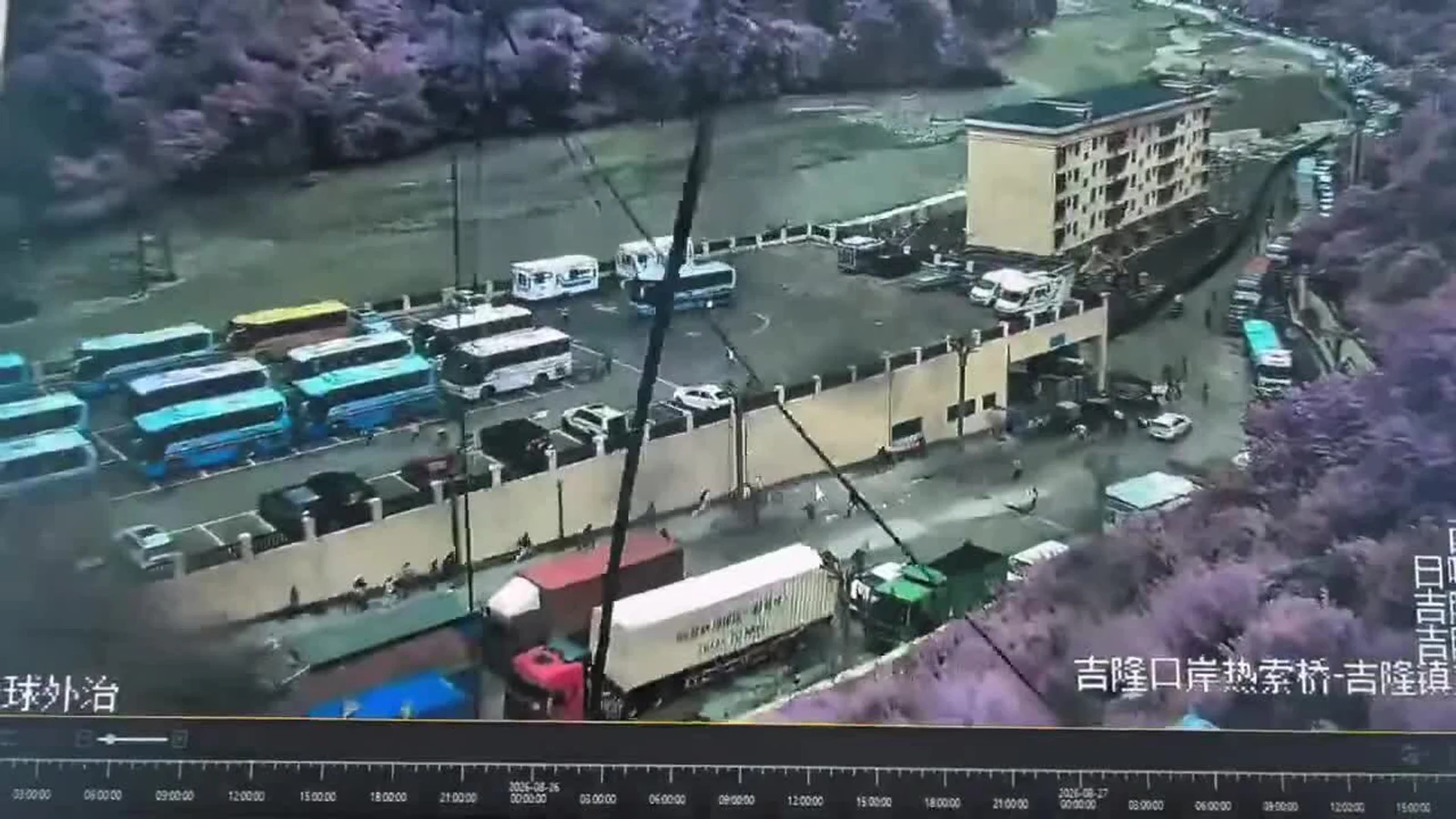
Images circulating online need similar care. The cover image on this article is a frame from CCTV footage at Gyirong Port on 26 August, upstream from Nepal; it is not a photograph of every location described in the government update. Old or unrelated disaster footage can easily be detached from its original place and date.
World Wide Weather News will treat 13,583 rescued, around 5,300 missing and 1,357 bodies recovered as an 8 September snapshot. Any later article should link the next official release and explain what changed rather than silently replacing these figures.